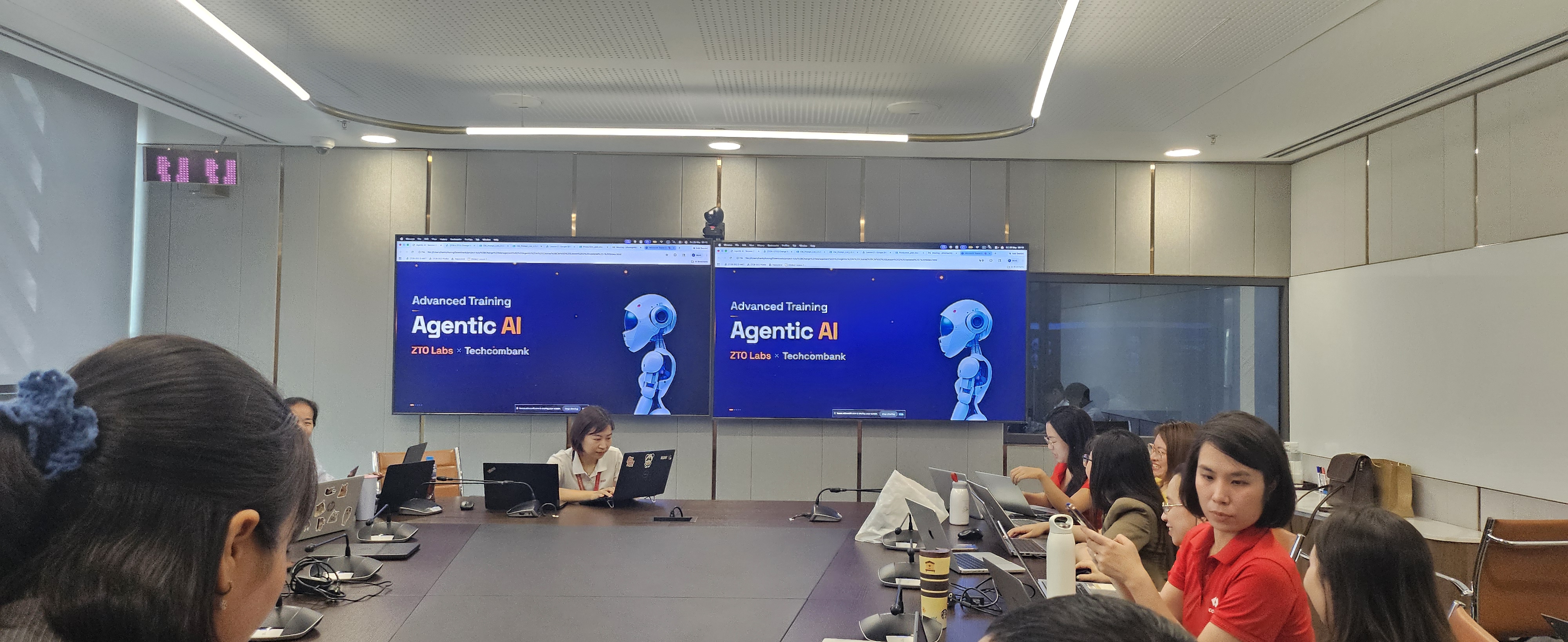
01 — The Client
One of Vietnam's leading private banks.
Techcombank serves millions of individual and corporate customers in an environment that is both tightly regulated and constantly innovating digitally. The Change Management team is responsible for making sure every product change, from a new feature release to an internal process update, reaches the right people at the right time with measurable, real-world impact.
02 — The Challenge
Every project is a new problem, yet the analytics workflow has to start from scratch each time.
The Change Management team assesses every major change in the organization: a feature launch, an updated process, a tool rolled out at scale. For each one, they analyze data, measure effectiveness and recommend adjustments. The projects keep changing, but the nature of the work stays the same.
The challenge is this: each project comes with its own dataset and context. The analytical structure may be similar, but the unique data and context make it hard to reuse the entire workflow. As a result, much of the information-processing work still has to be redone from scratch every time.
Simply compiling feedback from each department, identifying the groups that need intervention and drafting the right message for each unit can take hours per cycle. This approach is hard to scale as the organization keeps growing.
The problem was not a lack of data or a lack of process. Techcombank had both. The problem was that there was no way yet for AI to read that data and run that process on its own.
03 — ZTO's Approach
The program was built on real data from 22 departments, not hypothetical scenarios.
ZTO Labs did not roll out Agentic AI from an off-the-shelf template. Every exercise was designed from Techcombank's real data and systems: internal readiness surveys, tool-usage logs, a library of 25 training courses and information from 22 departments.
Three core elements of the program:
No exercise used fake data. Every prompt, agent and workflow was built on Techcombank's real internal surveys, adoption logs and department lists, producing results the team could use right away.
Learners connected Claude to Databricks Genie via MCP, querying adoption data in natural language, no SQL required. This was not a demo for illustration, but a way of working learners can keep using after the course.
Instead of teaching each tool in isolation, ZTO designed the two sessions around one seamless pipeline: from Copilot Agents gathering signals and MCP querying data to Dify automating the entire output.
04 — Delivery
Two in-person sessions, 16 learners, one complete pipeline.
The course was held in person at Techcombank's offices. Every exercise ran on Microsoft 365, Claude Desktop and Dify — exactly the toolset the team uses every day.
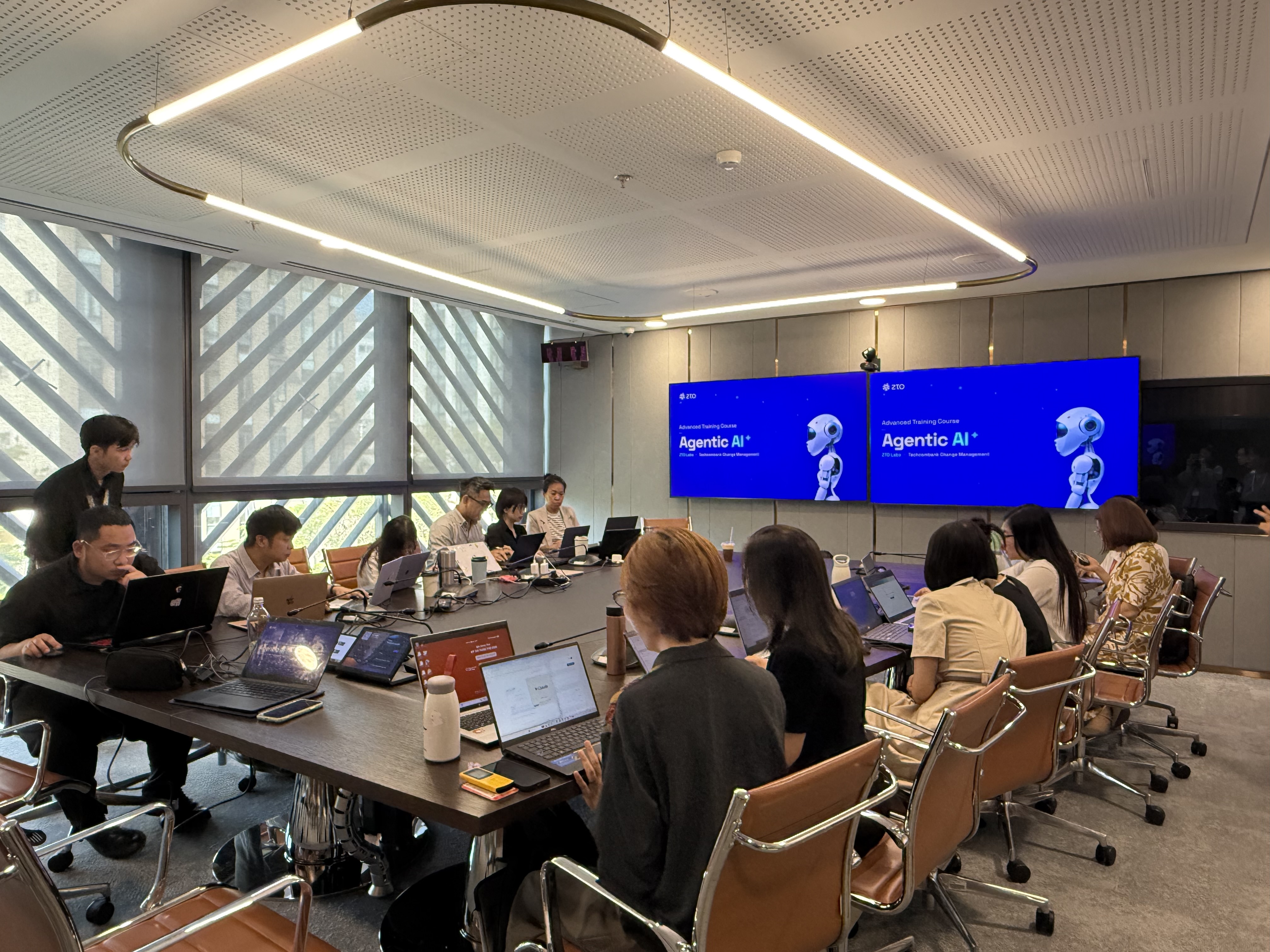
Learners built a reusable prompt set for Change Management work, set up Copilot Agents to analyze change readiness and recommend a suitable training path for each department, and connected Claude directly to internal data systems to query in natural language.
Learners explored the difference between an agent and a workflow, then built a complete adoption-analytics workflow on Dify themselves: from compiling input data to drafting personalized emails for each department head.
05 — The Output
What learners took away was not just knowledge, but tools ready to put to use right away.
ZTO designed every exercise to produce results usable in the very next working week — not just a demo to reference, nor merely a prototype to experiment with.
- A reusable prompt-template set for Change Management projects: just swap in the project details and it's ready to use, no rewriting from scratch
- 2 Copilot Agents running directly on TCB's Microsoft 365: one analyzing change readiness and one recommending a training path
- An MCP connection: learners query adoption data directly from internal systems through Claude Desktop in natural language, without SQL or help from a data engineer
- A complete Dify workflow: automatically analyzing adoption data by department and drafting personalized intervention emails for each department head
The Dify workflow built in the final session can run on a weekly schedule, replacing the manual analysis and drafting that used to take hours in each review cycle.
06 — The Takeaway
Techcombank shows that AI can do more than assist with analysis — it can run the whole process itself.
The Change Management team didn't need to learn AI from scratch. They needed a way for AI to understand their data, their framework and their process correctly. Once it did, the gap between "using AI to ask questions" and "letting AI actively do the work" narrowed dramatically.
The biggest lesson from this program: impact doesn't come from teaching many tools, but from building one seamless end-to-end pipeline, grounded in real data and producing output ready to use. Learners understood the problem more deeply because they saw how the whole system works, rather than encountering each part in isolation.
This is ZTO's core difference: each program is designed from the real problems of each organization, because no two businesses run exactly the same way.
Want your team applying AI from day one?
ZTO Labs designs each program around your organization's industry, toolset and operating workflows, so learners leave the course with AI workflows ready to apply on their next working day.